US
US CA
CA LE
LE




Less-lethal projectiles have become a helpful option for civilians who want reliable home defense but don't want the life-and-death responsibility that comes with standard firearms. Police departments actually put hundreds of hours into training with these tools, and there's a reason for that - the difference between using them correctly and using them wrong can literally mean the difference between saving a life and accidentally hurting someone.
Most states allow civilians to own equipment like pepper ball launchers and kinetic rounds. You need to know something that matters here - the same round that will stop a person who's threatening you from 25 yards away might injure or even kill them if you're too close. Professional security teams spend months building the muscle memory and split-second choice skills that these tools actually need.
Home training can be a great way to get comfortable with this gear - especially when professional classes aren't available in your area or they just aren't in your budget. Police academy techniques can work for civilian practice as long as you have the right safety setup and enough space for safe practice. You need just as much dedication to get proficient with less-lethal options as with any other defensive skill you might want to learn.
Let's talk about some safe and helpful ways to practice with less-lethal projectiles at home!
Table of Contents
The Laws and Safety Rules
Check the law first if you want to practice with less-lethal projectiles. Some places treat rubber bullets and foam rounds just like standard ammunition. California needs permits for some types, while Texas lets you do whatever you want. Florida lands somewhere in the middle, with laws that can even change from county to county.
That research takes time, but it's worth every minute. Gun owners mess this up all the time - there was a guy in New Jersey who got arrested just for practicing with foam rounds in his own backyard. His town had classified these rounds as firearms. He had assumed that "less-lethal" meant that they were probably not regulated much. That mistake cost him thousands in legal fees and a few court dates.

Even if local laws give you the green light to practice at home, these projectiles still deserve actual respect for what they can do to bystanders. Most manufacturers say to keep at least 25 yards between the shooter and the target. Get any closer and everyone around runs an actual chance of injury. That "less-lethal" tag can make shooters careless. These rounds can break bones and cause actual harm if you don't take the right steps.
Rubber bullet injuries at protests (especially the eye injuries that make headlines) usually aren't accidents or equipment failures like most observers think. They happen when somebody ignores the minimum-distance limits or fires at places they should have avoided in the first place.
Neighbors also come into the equation. Even if state law says backyard practice is fine, local noise limits might disagree. Some of these less-lethal launchers sound almost just like standard firearms, which means that neighbors could call 911. It's also worth checking with homeowner's associations. Lots of them will ban any projectile practice, no matter what the state allows.
Build a Safe Home Training Space
A training space takes more work. Rubber bullets and foam rounds can rip right through drywall or completely shatter windows if they bounce around at weird angles. Shooting ranges manage this problem by installing ballistic rubber panels or stacking multiple layers of plywood together, while your home setup needs the same strategy.
Your backstop is the most important part of your entire setup. A single sheet of plywood just won't cut it for what you're trying to accomplish. You need at least three separate layers with a bit of space between each one so they can soak up the force and stop any dangerous bounce-back. Plenty of shooters hang those heavy rubber mats from horse stalls right behind their targets. These mats work quite well, and they'll probably last you for thousands of rounds without breaking down.
Distance matters more than most shooters usually think. You need at least 21 feet from your firing position back to your backstop. Extra distance gives your rounds enough time to settle during flight and helps take some of the bite out of any ricochets. Police training ranges actually call for a minimum of 30 feet for their less-lethal setups. Most homes just can't fit this much length, though.

Indoor setups can get tough. Your garage looks like the perfect place until you find that the noise will travel through shared walls. Apartments are even harder since you can't modify the walls or chance rounds reaching your neighbors. A portable backstop box does the trick - just set it up, shoot, and take it down afterward.
Outdoor spaces give you more flexibility. They also create some visibility problems that you need to handle. Your neighbors don't need to see you training with anything that looks like a weapon. A privacy fence helps with this, though you'll still want to give your neighbors a heads-up about your training schedule. Plenty of lighting matters quite a bit for outdoor setups since shadows can hide ricochets or equipment failures that you need to find quickly.
Pick the Right Training Ammunition Options
Ammunition options for home practice follow a pretty logical progression from the most basic rounds all the way to the advanced gear. Plenty of shooters get excited and want to skip right ahead to the heavy-duty rounds. Jumping ahead like that isn't the best way to build up your skills.
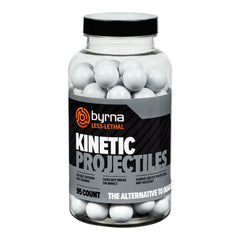
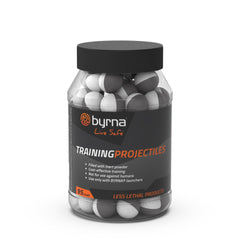
Foam training rounds are where beginners should start. They don't cost much. Missing your target or accidentally hitting anything you shouldn't won't cause any actual damage with these rounds. After you get comfortable with foam rounds and your accuracy gets better, it makes sense to move to the lower-power alternatives that feel much closer to live ammunition without worrying about putting a hole through your garage wall. Most shooters get taken aback when switching from foam to rubber bullets - the weight difference alone means you'll need to rethink how you aim and compensate for the distance.

Rubber bullets and bean bag rounds fly very differently once they leave the barrel. Rubber bullets fly straighter and hold their course better. Bean bag rounds drop off much faster and spread out more when they hit the target. Law enforcement figured this out years ago and started to use marking rounds just for training. These rounds work almost the same way as the live rounds, but they leave a visible paint mark when they hit and don't carry the full stopping power. They're great for training because you get immediate feedback on accuracy without any worry about property damage or injuries.
Money takes them by surprise pretty fast. A single box of live less-lethal rounds will set you back anywhere from sixty to eighty dollars. Paintball or airsoft alternatives run only about ten to fifteen dollars for the same amount of trigger time. Instructors usually tell you to have the cheaper options and stick with them for a few months. They'll teach all the same shooting fundamentals without emptying your wallet or taking care of the storage problems that come with live ammunition, and each state sets storage laws differently, and some places treat these rounds just like standard ammo under the law, so check what your area requires first.
Start with Basic Skills at Home
Everyone wants to jump straight to live fire practice, and we can understand the temptation. Going that path is actually going to hurt your progress more than help it, though. You need to build your foundation first with dry-fire exercises because less-lethal launchers feel way different from normal firearms. Weight distribution sits farther forward than you'd expect, and the trigger pull is going to feel much heavier than what most shooters are used to.
Practice sight alignment right at home. Pick any little mark on your wall and run through your draw and presentation dozens of times. Try to get at least fifty reps without any ammo in the launcher. Your muscle memory has to lock in that exact motion without all the distractions that come with recoil and projectiles flying around. Police trainers have found that officers who spend just ten minutes a day on dry-fire practice can bump up their accuracy by about thirty percent in a single month.

Trigger control matters even more with these launchers than with normal firearms. That heavy pull means you have to squeeze straight back without letting the sights move at all. You can actually work on this as you are watching TV or listening to music at home. You want the motion to become completely automatic so you don't have to worry about it in stressful situations.
Lots of departments have started running laser-training systems for their officers, and these are great tools if you can get access to one. They let you rehearse your split-second decisions as you're sharpening your accuracy at the same time. You can see right where your shot would have landed with the laser - this lets you run through different scenarios and actually see if you're hitting the target under pressure.
Malfunction drills are another area that usually gets skipped. They're flat-out necessary, though. Grab some snap caps or training shells that match your particular launcher model. Randomly combine them with your normal practice rounds during the training sessions. Pull the trigger and hit a dud - you need to fix it fast and get right back on target. Professional security teams spend their first three months on these basics before they're allowed to move on to anything more advanced.
How to Make Your Training More Realistic
After you're comfortable with the basic mechanics, it's time to make your practice a bit harder. Actual situations almost never give you a target that's just standing there waiting for you, and the conditions are hardly ever perfect. Add some movement to your practice sessions. Try walking sideways as you hold your sight picture lined up. Move between cover positions and shoot at targets from different angles.
Professional security teams don't stand around during training - they're always moving through crowd-control scenarios where every call has to be made in seconds. Bring that same mindset to your home practice. Set up a few targets at different distances and heights around your space, then force yourself to choose which one gets hit first. Speed matters quite a bit here, so don't overthink the choice.

A timer will completely change your accuracy training during stressful moments. Set a countdown and see if you can hit each target before the time runs out. Practice like this does wonders to get your mind ready for actual situations that call for these skills. Law enforcement trainers always stress that making quick decisions matters just as much as pure accuracy.
Failure-to-stop drills work well for less-lethal practice sessions, too. Hit your target twice in the center, then move to a different area on the target - this builds muscle memory for situations where your first shots don't pack the power that you expected. Set up barriers during practice whenever you can. Shoot from kneeling positions behind whatever cover you can create and try firing as you're lying down if you have enough space.
Even the most experienced shooters redo scenario training on a standard basis. They know that these skills get rusty without steady practice, and making sound decisions under pressure takes continuous work to stay sharp.
Protect Yourself and Your Family
You need the same dedication to develop skills with less-lethal projectiles as any other defensive technique worth learning. I'm always impressed by how fast these abilities deteriorate without steady practice sessions.
Professional users like police officers and security personnel already know that training never actually stops. They practice week after week and month after month because they've learned that the physical skills and the judgment side need steady exercise to stay sharp. Your muscle memory will last for a while after you take a break. Your ability to make those split-second decisions under actual stress fades much faster, though - it's why even the experts treat every training session with the same seriousness they had on day one.
It's worth keeping in mind that less-lethal tools carry a big responsibility. These devices could give you nasty injuries when used incorrectly or carelessly, and anyone who carries them needs to respect that level of power. Safe and steady practice will build confidence that serves you well in any crisis situation. You should always pair that confidence with the realization that staying out of confrontation altogether is the best possible outcome. De-escalation techniques and just walking away remain your first and most reliable options whenever those routes are on the table.

Self-defense options that skip firearms have become popular lately, and we at Byrna have some reasons why. These less-lethal tools work in every state across the country with no paperwork or background-check laws involved. We've developed a patented pull-pierce CO2 system so the device fires in emergencies. We make pistols, rifles, armored ballistic backpacks, and other protective equipment that gives you protection without the legal red tape of traditional firearms. At Byrna.com, we have more info, and we have helped tens of thousands of customers protect themselves and their families.