US
US CA
CA LE
LE


 Compare Rifles


School safety has become one of the biggest concerns for teachers. More and more educators are finding out the hard way that state laws about self-defense tools might not mean much when they step onto school property. The situation changes at the schoolhouse door, and district policies usually win out over your usual carry rights.
Some teachers have pepper spray that they carry legally everywhere else. Others have concealed carry permits that work just fine in public. As it stands, 28 states let school staff carry weapons if they go through training programs that have pretty tough requirements. At the same time, these exact same states might not even let teachers bring a personal alarm to work without asking for permission first!
Let's take a look at the safety options that are available to help protect educators in the classroom!
Table of Contents
When Your District Overrides State Law
Most teachers focus on state law for self-defense tools in their classroom, but it's just one part of a much bigger picture. School districts all across the country have created their own policies and requirements for these items. These local requirements usually take priority over whatever your state law says is legal to carry.
Texas is a perfect case study on this exact issue. The state lets anyone who has a License to Carry bring firearms into most public places without any problem. School property is a different story, though. Almost every district in Texas has a blanket ban on all weapons, and includes teachers who are licensed. When there's a conflict between state law and district policy, the district policy is going to win.

The difference between state law and district policy is where a lot of teachers run into problems, and the consequences can be pretty severe. An Ohio teacher found this out after she lost her job over the pepper spray that was in her purse. Administrators found it during a standard bag check, and even though Ohio law explicitly permits pepper spray for personal protection, the school board was not interested in that argument. Her termination went through regardless. State law was on her side, but she still lost her career over it.
The employment contracts make everything much harder than it needs to be. Most teacher contracts have very detailed language about workplace safety standards, and they will list out every item prohibited on school grounds. The problem is that these contract clauses almost never line up with what the state law actually lets you carry. Union members face even more red tape because collective bargaining agreements usually include their own separate set of restrictions that nobody mentions.
What makes this especially tough is that these different requirements are not always readily accessible or easy to track down. The district policies could be scattered throughout a massive employee handbook that nobody ever reads. Some schools are upfront about posting their weapons policies on their websites, and others store everything locked away in filing cabinets at the district's administrative building.
To carry any type of self-defense tool as a teacher, you need to do your homework in three different areas. Start by researching your state's exact laws about self-defense tools and weapons. Then get a copy of your district's full weapons and safety policy and read every word of it. Finally, pull out your employment contract and any union agreements that might apply to your position and review those carefully, too.
Personal Safety Tools That Schools Allow
Personal alarms are one of the easiest self-defense tools that teachers can carry at school, and thankfully, most schools don't need any particular paperwork or permission for them. These little devices just clip right onto an ID lanyard or belt loop. Press the button and they let out a sound that's over 130 decibels - it's loud enough to make an attacker back off, and it'll definitely get the attention of anyone within a few classrooms.
Personal alarms work great for schools because they come in useful for all kinds of situations beyond just safety concerns. During a student's medical emergency, like a seizure, you can set off the alarm to get help fast. Need administrators to come running during an incident? The alarm does that job very well. School boards usually approve these devices readily because they see them as multi-use emergency tools instead of just self-defense equipment.

Tactical flashlights are another strong option that won't raise any red flags with most school administrators. We're not talking about the regular flashlight that you'd grab at the hardware store for a camping trip. Tactical models put out a very bright beam that can temporarily blur someone's vision if they're threatening you. At the same time, they're super helpful for everyday situations like power outages or when you need to check those creepy storage closets that never seem to have working lights. I've seen plenty of teachers who have one tucked in their desk drawer where it's easy to grab but safely away from curious student hands.
Emergency whistles work on the same concept as personal alarms, except that you have to blow into them to make noise. They never need new batteries, they won't break if you drop them, and they need almost zero maintenance over the years. A lot of teachers just attach one to their normal keychain because they weigh almost nothing, and you'll barely notice it's there until the day that you actually need it.
The main trick with any of these tools is to figure out the right tool for the right job between accessibility and safety. You need to be able to grab them within a couple of seconds when something happens. But you also can't have them somewhere that students might accidentally trigger them during class. Belt clips and lanyard attachments seem to work best for most teachers who carry these items every day and for good reasons. They put everything right where you need it without being in the way of your normal teaching day.
Guardian and Marshal Programs for Schools
A handful of states now run programs where teachers carry firearms in schools. But only after they go through some pretty intense training. It's not some free-for-all where any teacher can just bring a gun to work tomorrow. The programs in place now make teachers train for at least 80 hours, and some demand as much as 144 hours before anyone even considers if they qualify.
Florida has a program they call the Guardian Program, and Texas runs something similar with their School Marshal initiative. These two states make teachers go through psychological evaluations and background checks that go beyond what regular gun owners run into. The whole process takes months from start to finish, and teachers have to prove they're committed to it every step of the way.
Programs like FASTER Saves Lives have trained over 1,300 school staff members across 12 different states so far. That number is pretty small since literally millions of teachers work nationwide. These programs intentionally keep their numbers small and hold their standards extremely high.

Even after teachers qualify, the training requirements continue indefinitely. They have to stay on top of their skills at the range and take annual refresher courses without fail. Personal liability is a big concern, too. These teachers need to buy separate coverage out of their own pockets since standard teacher insurance policies almost never cover armed staff members. Teachers also have to maintain their certification continuously, or they'll lose their authorization to carry completely.
These kinds of programs only operate in a handful of states, and they're not widespread across the country. Most school districts won't let teachers carry weapons at all. The states that do allow these programs still give each district the choice to join in or stay out of them.
Items That Can Cost You Your Teaching Job
Schools all across the country have zero-tolerance policies for self-defense tools, and the list of banned items is extremely long. Pepper spray is off-limits in almost every school district nationwide. The strange part is that pepper spray is legal to carry for personal protection in 48 states. School grounds just have their own set of policies that are far more restrictive than anywhere else.
There have been cases where teachers with concealed carry permits brought pepper spray to school for extra protection. When the schools discovered it, they fired these teachers on the spot. The permits meant nothing because the schools' weapon policies were set in stone.

The list of banned items is not what many teachers would think of as weapons. Tactical pens are a perfect example. They look just like normal pens except that they have reinforced tips that are designed for self-defense situations. Schools classify them as weapons anyway. Kubotans are another one. These are just small sticks on keychains that people carry for protection. But they're also banned. A simple pocket knife that you might use to open packages or cut strings will land you in serious problems, too.
Lots of districts have policies that are called constructive possession regulations, and these can trip teachers up. If pepper spray is sitting in your car in the school parking lot, that alone could get you into serious problems. Schools treat their entire campus as their property, so every parking space in the lot falls under the same restrictions as the classrooms and the hallways.
These violations have serious consequences, too. We're not talking about a warning or a write-up here. Teachers have actually lost their teaching licenses over weapon policy violations. Your entire career could disappear because of one can of pepper spray that you forgot was tucked away in your bag!
Your Classroom Layout and Safety
Teachers actually don't need to carry any particular equipment to improve their safety in the classroom. The physical layout of your room is one of the strongest tools you have for preventing problems in the first place. Desk placement and traffic flow always matter. When you're at the front of the room or at your desk, can you actually see all the corners? You need those unobstructed sight lines if you want to spot problems before they get worse while they're still manageable.
School districts across the country have been working with CPTED principles for classroom design, and the results are pretty encouraging. CPTED stands for Crime Prevention Through Environmental Design - you'll arrange your space in ways that stop problems from starting. The Department of Education ran the numbers back in 2020 and found that these environmental changes alone cut incidents by 23% - it's a genuine improvement, yet it doesn't cost a dime in new equipment or technology.

Tomorrow, as you walk into your classroom, take a close look at the layout with fresh eyes. Where are your exits located? Could that bookshelf be moved somewhere else to create a cleaner path to the door? A lot of experienced teachers will deliberately rearrange their furniture to create natural barriers between the entrance and where students sit. Others have had great results from positioning their desk so they can watch the door and the entire class at the same time.
You don't need anyone's permission to review your own classroom for safety problems. Just move around the space and mentally run through different scenarios that could happen. Write down what seems to work well and what could be improved. Then have a conversation with your principal about any changes you'd like to put in place. Overall, most administrators are more than willing to support sensible requests that improve classroom safety.
The school resource officer who is assigned to your building can also become a very helpful partner in this. A relationship with them helps you get to know their protocols and response procedures for different situations. Ask specific questions about the emergency plans for your particular building. Where should you and your students go during these emergencies? The more familiar you are with these procedures ahead of time, the better you'll be able to guide your students if something really happens.
Create Your Personal Safety Strategy
A smart place to start is with your district's actual policies on paper. Grab your employee handbook and take a highlighter to the sections that mention personal safety devices or self-protection. Once you've done that, set up a quick meeting with your principal just to make sure that you have everything correct, especially for the parts that seem vague or confusing.
You should build a classroom emergency kit even though it feels weird in the beginning - it definitely is worth doing. Store everything in a locked drawer or cabinet where you can reach it in a hurry if you need to. Make sure that each item in the kit has been approved by your district in writing. Documentation like this helps keep you legally protected if anyone ever asks questions about what you have in your classroom and why.

The other teachers in your building can also be some of your strongest safety resources. Set up a simple code word system with the teachers in the rooms around yours. Run through a few practice scenarios about how you'd alert one another if something goes wrong. Three quick knocks on the shared wall could mean that somebody needs backup now. Small preparations like these do matter when every second counts.
The ALICE protocol works, and we know this because thousands of schools are already putting it into practice successfully. Over 5,000 districts have made ALICE their main emergency response training program. Teachers who've been through ALICE training know just what they should do in a crisis because they've practiced these scenarios over and over again. Most districts run a handful of these training sessions each school year, and if your district has them, they're definitely worth your time. Not many teachers know that joining their school's safety committee gives them an actual say in security policies. These committees usually meet once a month to talk through security concerns and review existing procedures. The perspective that you bring from being in the classroom every day is very helpful during these discussions, and committee members actually want to hear what you have to say about safety protocols.
Protect Yourself and Your Family
Teacher safety laws are a mess - and that's meant in the most technical sense possible. Each state writes its own rulebook for what's allowed in schools. Then the districts come along and add their own policies on top of that. And teachers are stuck in the middle, just wanting to feel safe at work.
I've spent way too much time reading through these regulations and training requirements, and there's actually some encouraging news buried in all that legal text. Teachers have far more legitimate options for protection. The restrictions are there, and the policies feel suffocating when you're just trying to figure out what safety measures you're allowed to take. But there are plenty of approved devices and training programs available. You also have awareness strategies that actually work and won't get you in trouble with administration. The combination of the right training, situational awareness and the right tools within existing policies gives you a pretty strong safety net.
The real headache comes when teachers try to find safety tools that work across different jurisdictions. What's legal in one district could be banned just a few miles away - it's why you want to have options that are accepted everywhere.

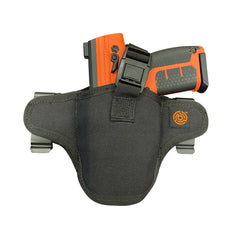
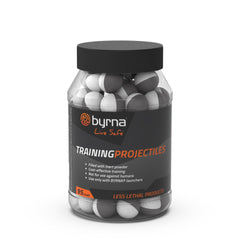
Since we're talking about universal protection options, at Byrna, we've actually developed some pretty solid, less-lethal tools that get around most of the legal restrictions you'd normally run into. Our entire product line is legal in all 50 states, and you won't need any background checks to buy them. We have this patented pull-pierce CO2 system that activates right when you need it. We manufacture pistols, rifles and armored ballistic backpacks along with some other safety equipment. Everything we make is meant for anyone who wants reliable protection but doesn't want to deal with all the legal red tape that comes with traditional weapons. At Byrna.com, we have the full lineup, and you can see why tens of thousands of customers trust our products for personal safety.