US
US CA
CA LE
LE


 Compare Rifles

When Self-Defense Crosses the Line: Shooting Case Highlights the Risks of Escalation
Self-defense situations often unfold in seconds, but the consequences can last a lifetime. A 2023 case in Key West illustrates how quickly a confrontation can escalate—and how the use of deadly force can lead to severe legal outcomes.
The incident began when a 21-year-old man exited a bar and was confronted by a property owner over behavior in a nearby parking lot. What started as a verbal dispute quickly intensified. According to reports, the situation became increasingly aggressive, with the property owner claiming the individual refused to leave and continued advancing.
Believing there was an imminent threat, the property owner discharged a firearm. Despite claims of self-defense, the case ultimately resulted in a first-degree murder conviction. The outcome underscores a critical reality: the use of lethal force is heavily scrutinized and must be deemed reasonable relative to the threat.
The Importance of Proportional Response
In self-defense law, proportionality is key. Even in tense and uncertain situations, the level of force used must align with the severity of the threat. When that line is crossed, individuals may face serious criminal charges—even if they believed their actions were justified at the time.
This case highlights the growing interest in less-lethal self-defense alternatives, which can provide a way to respond effectively without causing irreversible harm.
Exploring Less-Lethal Options
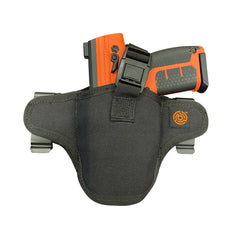
Tools like the Byrna SD Launcher are designed to help de-escalate situations before they reach a critical point. These devices offer multiple response options, including:
- Direct engagement to stop or deter an advancing individual
- Indirect deployment to create a barrier or dispersal effect, allowing time to disengage
Such options may provide an opportunity to control a situation while reducing the risk of fatal outcomes.
A Critical Takeaway for Personal Safety
The Key West case serves as a powerful reminder that every self-defense decision carries legal and personal consequences. Being prepared involves more than reacting in the moment—it requires understanding the tools available and choosing a response that aligns with both safety and the law.
In high-stress encounters, having access to alternatives and a clear plan can help prevent escalation and protect not only personal safety, but future freedom as well.