US
US CA
CA LE
LE


 Compare Rifles

What to Do After Using a Byrna Launcher
Using a self-defense tool in a real-world situation is only the first step. What happens immediately afterward is just as important for ensuring safety and handling the situation responsibly. Knowing how to respond after deploying a less-lethal option can help protect both physical safety and legal standing.
Step 1: Get to a Safe Location
The first priority after any defensive encounter is to create distance and move to a safe location. Even if the threat has retreated, the situation may still be unpredictable. Finding a secure area reduces the risk of further confrontation and allows time to assess what happened.
Step 2: Contact Law Enforcement
Calling 911 as soon as possible is critical. Witnesses may already be contacting authorities, and their accounts may not fully reflect what occurred. Providing clear, direct information ensures that law enforcement receives accurate details from the outset.
When speaking with dispatch, focus on key information:
- Name and current location
- Description of clothing for easy identification
- Confirmation that a less-lethal tool, such as a Byrna Launcher, was used
- Description of the individual involved and direction of travel, if applicable
It is important to remain concise and avoid unnecessary details while ensuring the essential facts are communicated.
Step 3: Prepare for Police Arrival
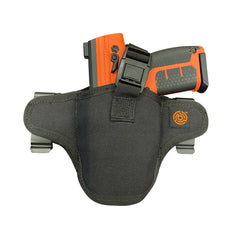
As law enforcement approaches, safety remains the top priority. A critical step is to ensure the self-defense tool is not in hand when officers arrive. If possible, securely stow it before they reach the scene. If circumstances require it to remain accessible for safety, it should be placed on the ground immediately once officers are visible.
This helps prevent confusion and ensures officers can quickly assess the situation without perceiving an additional threat.
A Responsible Approach to Self-Defense
Preparedness does not end with the use of a tool—it extends to how the situation is handled afterward. Staying calm, communicating clearly, and prioritizing safety can make a significant difference in the outcome.
Understanding these steps helps ensure that even after a high-stress encounter, individuals remain in control and prepared to navigate what comes next.