US
US CA
CA LE
LE


 Compare Rifles


RV travelers run into security problems that change from state to state. Your home on wheels draws attention in ways that regular travelers just don't face - from remote places out in the wild where bears will test your door handles to city areas where your RV tells people you have expensive gear inside. And yes, bears do go around trying to open RV doors.
The temporary nature of RV travel creates weak points most people never think about. When you drive around, you're showing everyone that you're carrying everything you own through new places you don't know well. So every time you need to park somewhere, it turns into a real security choice.
Most of the RV security advice you'll find focuses on expensive equipment or over-the-top steps that don't help much. Real security comes when you understand which threats you need to worry about and which safety steps will protect you while you're on the road.
I'll go over some ways to use basic physical security with simple technology and knowledge of the law.
Table of Contents
Keep Your RV Safe From Break-ins
Your RV's doors and windows are what keep unwanted visitors out. It doesn't matter if you're worried about bears in Montana or break-ins in Los Angeles - the basic ideas stay the same, but the way you handle them is going to be very different. Plenty of people don't give this much thought until something bad happens to them or someone they know.
Look at your entry door because that's usually where most RVs are weakest. The locks that come with most RV doors are flimsy and won't stop someone who wants to get in. You should replace that factory deadbolt with something stronger and maybe add a security bar to feel safer. The bar goes between the door and the floor and makes it very hard for anyone to push the door open.
Your door security affects just about everything else for keeping your RV safe. When you have a strong door setup, you're going to stop most problems before they start. Your family's safety needs those few inches of metal and wood between you and the outside. All the other security measures you do won't matter much if someone can just walk right through your front door.

Windows are a different problem because you need to let air in when it's hot outside. Dowel rods are great for sliding windows, and they don't cost much at all. Just cut them so they fit tight in the track, and then the window can't slide open from the outside. Another option is to put security film on the windows - this keeps the glass from shattering all over if someone tries to break it. You're still going to want that fresh air on those hot summer nights, though.
Every type of RV has its own weak points to worry about. Class A motorhomes usually have big windows that are easy to break into. Travel trailers have very thin walls around where the door sits, and these can bend or break if someone pushes hard enough. Fifth wheels sit up high enough that most people can't reach the windows easily. The entrance door is still something you need to worry about, no matter what kind of RV you have.
Once you know what your RV's weak points are, it's going to change how you think about keeping it safe. Every RV design reflects decisions the manufacturer made to save weight, cut costs, or make RVs more convenient. Your security plan has to work around the weak points that matter most for your particular RV. The general advice you read online only helps so much when every RV is built a little differently.
RVers who have been doing this for years sometimes let their guard down in places that seem safe. That campground where you've stayed five times before feels just like home. It's still a public place where anyone can come and go.
Simple Ways That Keep Thieves Away
The best defense for your RV doesn't always come from locks and alarms. Sometimes, what works best is making would-be troublemakers think twice before they get close to your RV. Most theft attempts happen because someone sees what looks like a simple target and decides to go for it. When you take away that easy-target feeling, you remove the reason for them to even try.
Motion-sensor lights work well because they catch people off guard. Most people don't expect to suddenly get lit up like they're on stage. When someone walks up to your rig at night and suddenly gets hit with bright light, they usually figure it's better to move on to an easier target. These lights also wake you up if someone's snooping around, which gives you a chance to do something about it.

You don't need to spend much money on cameras to get the benefits. Just the suggestion of surveillance works almost as well as the real deal. Even basic stickers that warn about video recording can work great because most criminals are looking for quick targets. When they see a warning about cameras and think you're committed to security, they'll just keep walking.
Window coverings can help protect your privacy without making it look like you're trying to hide expensive gear. The trick is to use coverings that look normal and lived-in instead of like you're trying to hide something worth stealing. You want to block the view inside while still looking normal. Finding this balance takes a bit of practice. Blackout curtains or sheets taped over windows send the wrong message. People can tell when something looks like it's been hidden intentionally, and that curiosity can work against you.
Try not to stick to the same routines if you can help it. When you develop patterns, you become predictable. If you always leave at the same time or always park in the same type of place, you make it easier for someone to plan around your schedule. Mix up the times you leave and choose different types of camping areas to stay unpredictable. What you want to do is show quiet awareness instead of paranoia. RV travelers who have been doing this for a while usually pick up small habits that show they're paying attention without being standoffish. When you seem calm and aware of what's going on around you, people usually treat you with respect.
Laws That Change Between Different States
Most people have no idea that the laws around self-defense change completely when you cross from one state to another. Something that's perfectly legal in Texas might get you arrested in California. Some states have strong Castle Doctrine laws that actually extend to your RV, while other states won't treat your mobile home as your castle at all. These differences can mean going home free or going to jail.
With insurance, it gets even more confusing as you travel from state to state. Your basic RV policy might cover theft when you're at home. But it could leave you completely unprotected once you cross into other states. The laws for weather damage are different everywhere, too - the coverage that works fine in Florida might not be enough in Colorado. Insurance providers know all about these gaps in coverage, but they're not going to tell you about them unless you ask directly.

If you carry any kind of defensive tools like pepper spray or firearms, you should check the laws for every single state on your trip. Some states put limits on how strong your pepper spray can be, or they make you get certain permits just to carry it. Other states have agreements that let you carry concealed weapons across state lines. But plenty of states don't have these agreements at all. It takes hours to look up all these laws for each state you'll pass through. What you don't want is to get arrested at a state border because you didn't know about some local law.
Insurance claims turn into a real mess when something happens while you're traveling between states. Let's say your RV gets broken into while you're in Nevada. But your insurance company is back in Michigan. The paperwork alone for something like that could take months to sort out. Different states also want different documents for police reports and proof of damage. So now you're stuck trying to work with people in multiple states while your claim just sits there. What started as a vacation ends up being a legal problem that follows you all the way home.
Before you cross into any new state, it's worth taking a few minutes to look up their local laws. Never assume that the laws from your home state are going to work the same way everywhere else. These laws can change fast, and if you don't know about them, you could still get in big trouble.
Smart Security and Safe Camp Choices
Modern security technology has definitely changed the way RVers protect their homes on wheels. You can now watch over your RV from anywhere in the world with systems like ADT Self Setup or SimpliSafe. These setups will send you alerts immediately, and they have a cellular backup for when your regular internet goes down. You don't worry anymore about what could be happening back at your campsite.
Door locks have become a breakthrough for RV security. The Ultra ES Pro lets you control who gets in through your smartphone, and it'll send you messages whenever someone tries to open your door. You can set up PIN codes for anyone you trust, and you'll never have to worry about losing your keys again.
The ability to control everything remotely has completely changed how we think about RV security. Your smartphone turns into the control center for all your locks, cameras, and sensors. You feel relieved when you're miles away from your RV, and you can still check that everything is safe and locked up.

Most RVers now are choosing to stay at established campgrounds that have their own security features instead of parking in remote places. Sure - you give up some of that freedom to camp wherever you want. But you get to feel safer and usually have better cell service for all your security apps. Online groups share up-to-date safety information about different places, which helps when you're figuring out where it's safe to park for the night.
The real change is that people are focusing on preventing problems before they happen instead of dealing with the aftermath. Your cameras and sensors are always working to catch any problems before they get bad. Some full-time RVers travel together in loose groups without having to give up their independence. They can help one another out when needed while they still get to travel on their own schedule.
Solar-powered security devices work great when you want to camp off-grid and get away from crowded campgrounds. These portable setups mean you can still camp in remote places safely while your GPS and remote security systems keep an eye on everything. The technology just travels with you wherever you choose to set up camp.
Battery life matters tons when you're miles away from any power source. Solar panels keep your security systems powered up, while batteries take care of everything on cloudy days.
Build a Safety Net for Your Adventures
The best part about RV security is that you can set up multiple types of protection that all work together. You don't have to trust just one way. It's similar to how insurance helps you feel safe. When you combine physical security measures with the right equipment and smart deterrents, knowledge of the regulations, and careful decisions about where you park, you're building a strong safety net around your travel experience. These different layers of protection mean that even if one layer doesn't work out, you still have others in place to keep you and your family safe on the road.
While we can't guarantee total safety anywhere in life, smart preparation lowers your risk of problems while you enjoy the adventure of traveling. Your family deserves to visit new places without having to worry all the time about what might go wrong. With the right preparation, you can sleep better at those remote campsites and actually relax at scenic stops without always worrying if you made the right choice. We want to help you build helpful habits that become just as natural as when you check your tire pressure or fill up your water tank. Once these security steps become second nature, you can think about what actually matters - the incredible freedom that comes with RV travel and the great memories you'll make with the people you love.
Every RV traveler is different, and the way you handle security should match your own travel style, what you're comfortable with, and what kinds of places you like to go. The strategies that work well for full-time RVers could be way too much for weekend warriors, and what makes sense for those who love to camp off the grid might not work for families who stick to established campgrounds. Most travelers end up finding their best balance somewhere in between these extremes.

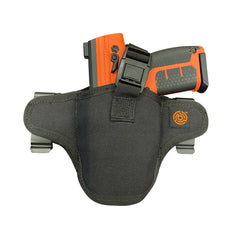
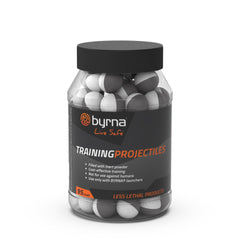
For personal protection, many RVers want self-defense options they can count on that work legally no matter which state they're in without having to deal with all the different firearm regulations that change from place to place. If you want self-defense tools but not firearms, you should check out what we offer at Byrna. Our less-lethal tools are legal in all 50 states, and you don't need any background checks. We have a patented pull-pierce CO2 system that gets you ready to use it immediately. We make pistols, rifles, armored ballistipac backpacks, and plenty more. Visit us at Byrna.com to learn more and join tens of thousands of happy reviewers who trust us to keep them safe.