US
US CA
CA LE
LE


 Compare Rifles


A trip to a national park should be fun to plan - beautiful views, great wildlife and all of the trails you want to check out. Personal safety items, and if they're legal to carry, shouldn't even be something you have to worry about. Millions of visitors head to these parks every year, and tons of them have no idea what they can and can't bring for personal protection. It's a fair question to ask, especially with how remote some of these places can be. Cell service is spotty at best, and if something goes wrong, help could be a few hours away. Federal law went through some big changes back in 2010, and those updates changed quite a bit about what you're allowed to carry in national parks. Even after all that time, most of what you'll come across online is either outdated or inaccurate.
As of now, each state gets to set the laws on what you can carry on national park land within its borders, though the federal government still gets the final say on what comes into buildings and what you can use for some activities. A firearm could be legal to carry in Montana, and then suddenly it's not allowed if you cross over into the next state - even if you're still inside the same park boundary. In Glacier National Park, rangers will tell you that bear spray is a smart idea, and they want everyone to carry it. Cross over to Yosemite, and you could get a citation for having that same canister on your hip. And just about every ranger station or visitor center is going to prohibit any weapons at all, regardless of what permits or licenses you have.
This matters because it helps you stay out of trouble with federal law and helps you stay safe at the same time. Pick the wrong item to bring along and you might wind up with confiscated gear, some large fines or what's almost worse than that - you walk around thinking you're protected by something that was never legal for you to carry. This guide covers what the law actually says about firearms, pepper spray, stun guns, knives and other self-defense items across the national park system, and it'll help you see what you're allowed to pack before you hit the trail.
Let's see what self-defense tools you can legally bring into national parks!
Table of Contents
Gun Laws in National Parks Today
Federal law made a big change back in 2010 when it finally allowed visitors to carry firearms in national parks. Before that year, each park had its own restrictions and guns were banned in almost all circumstances. Visitors can carry firearms in any national park as long as they comply with the gun laws of whatever state they're in.
Each state manages its own concealed carry permit system, and none of them work quite the same way. A Utah permit might work just fine back home, but it is useless once you're in a national park that happens to be in California. The requirements can change quite a bit depending on where you are - who's allowed to carry, what type of permit (if any) they need to have and if that permit will be accepted outside of state lines. Reciprocity agreements are in place between many states, and that means they'll accept one another's permits. Others have no agreements like this in place and won't accept out-of-state permits under any circumstances.

Another tough part is that some national parks actually span multiple state lines. Yellowstone is a perfect example - it covers parts of Wyoming, Montana and Idaho, and that means the firearm laws can change depending on which section of the park you're in at any given time. It can get confusing fast because you have to know which state you're in, and then you have to follow whatever that state's carrying laws are.
A common misconception for park visitors revolves around what you can do with your firearm once you're inside the park. Federal law does allow you to carry a gun in most of the national parks. But it's strictly for personal protection - nothing else. Hunting is still off-limits in most of the parks, regardless of whether you have a firearm on you or not. Your gun stays holstered unless you actually need it for self-defense, and you can't take any game animals.
What Defense Items You Can Carry
Pepper spray comes up frequently in questions about personal protection options for national parks, and it makes sense - it does the job, it's affordable, and the main point is that it's legal to carry in most parks for self-defense. You can bring it along with you on your trip in most cases. The main restriction you'll run into has to do with canister size. Some parks will cap the volume at a set number of ounces, and that means you should verify the regulations for wherever you're headed, or just go with a smaller canister to stay on the safe side.

Tasers and stun guns are a bit tougher with park regulations because each state gets to make its own laws for these devices. A taser that's legal to carry in one park might actually land you in some hot water at another park just a few hours away. Texas is a solid example of this - you can carry a taser in their state parks without any trouble at all. Cross over the border into New York and you'll discover that they're banned completely. National parks have to follow the laws of whatever state they're located in, and that means the regulations can change quite a bit depending on your exact location.
Knives fall into a different category, and the reason has everything to do with intent. A small pocket knife that you carry around for everyday tasks (opening packages, cutting rope and tasks like that) is usually treated as a utility tool and nothing more. Take that same exact knife and mention to a police officer that you have it on you for self-defense, and the whole situation changes. Your stated reason makes the difference in how it gets classified.
Aside from the question of intent, most areas also enforce blade length restrictions that you'll need to account for. A knife with a 3-inch blade will probably be legal in most places. But a 5-inch blade may push you into illegal territory. Switchblades face even stricter restrictions in many states, and with those particular knives, the blade length sometimes matters a bit less. The automatic opening mechanism is what matters most - it places them in a different legal category from a standard folding knife.
Your best bet is to check the federal park regulations and the state laws for wherever your park is located before you make the trip. Federal parks can be a bit tough to work through because two different sets of regulations are in effect at the same time. What this actually means for you is that something could be fine under the federal standards. But the state where the park is located might still have its own restrictions in place.
Park Buildings Have Their Own Rules
Even if your state lets you carry a firearm in national parks, federal buildings within those parks work a bit differently. These structures have their own policies, and weapons aren't allowed inside of them - even if you have the right permits.
Visitor centers are probably the most common type of federal building you'll see at national parks. Administrative offices (where the park staff actually does their work) are federal buildings, too, and so are ranger stations. Any building that the park uses for official business will have its own set of requirements and restrictions.
This creates some very awkward situations for visitors. A person could carry their firearm on a backcountry trail all morning long (which is legal) and then head back to grab a map or ask a ranger a quick question. Before they can step inside that building, the weapon has to be locked up first. The same gun that was perfectly fine out on the trail just a few minutes ago suddenly turns off-limits once they want to step through those visitor center doors.

The confusing part is that these buildings fall under federal jurisdiction. Those state laws that work just fine everywhere else in the park stop at the door of these federal buildings. Your concealed carry permit won't help you here, and the same goes for any state open carry laws you could be relying on. These buildings work under federal law, and they're going to enforce their own policies regardless of what your state normally lets you do.
If you plan to stop at a visitor center or ranger station during your trip, just remember that you can't bring any weapons inside. You'll need to leave yours locked up in your vehicle before you walk in. Most visitors don't know about this restriction until they're already at the entrance and a ranger has to turn them away and explain the policy.
The Differences Between Bear and Personal Sprays
National parks actually separate bear spray from personal defense spray into two different categories, and what's allowed for each one can be pretty different. Most big parks like Yellowstone and Glacier will recommend that you carry bear spray because it does a great job of keeping visitors and wildlife safe at the same time. Park rangers usually recommend it on their websites and at visitor centers, and this applies even in parks where you're technically allowed to carry a firearm.
The biggest reason these two products are so different comes from what they're made for and how they work if you need them. Bear spray gets registered with the EPA as a pesticide and sounds a little strange. The EPA classifies it this way because it's designed to stop animals - not humans. Personal defense spray gets put in a different category since you're going to use it against human attackers. The spray pattern is where you'll see another obvious difference between them. Bear spray releases a big, wide cloud that forms a barrier between you and whatever animal is charging toward you. Personal defense spray shoots out in a much tighter, more focused stream since you'll most likely use it up close on a human threat.

Bear spray works very well at preventing dangerous situations with bears from turning deadly. Park rangers have seen it stop charging bears in their tracks, and then the animal walks away without any permanent damage. This matters quite a bit in national parks because the goal is always to protect the wildlife and the visitors at the same time. Once the spray takes effect, the bear backs off and goes on its way unharmed for the long term. If that person had been carrying just a firearm instead, that same bear could have ended up dead.
Personal defense spray gets a little trickier with park regulations and local laws. Every park has its own policies on this. Some of them will lump it in with bear spray and let you carry it with no problem, and others have specific restrictions that you'll need to follow. If you're planning a trip to any national park, take a few minutes to call the ranger station ahead or check their website. You want to know what you're allowed to pack and what should be left at home before the drive out there.
Check the Rules Before You Go
An easy way to confirm what applies before you head out is to call the ranger station. The rangers field these questions all day, and they can tell you what you'll have to know about the area you're planning to visit. This helps when you have any doubts about what's allowed or if you come across conflicting information online, and you want to check that you have it right.

The tribal lands deserve some consideration as well. Some tribal territories are actually located right inside park boundaries, or they sit directly adjacent to them. These areas follow their own laws, and those laws can be quite different from the federal park requirements that apply everywhere else. You can cross from one jurisdiction to another without realizing it. A quick call ahead can help you figure out what applies in which areas.
The border parks add a whole other level of complication to this situation. Glacier and Waterton are two great examples of what I'm talking about. These two parks work as one connected area. But they're split right down the middle by the US-Canada border, and each country has its own requirements for what you can take across the border with you. Something that's legal to carry on the American side could be banned or restricted once you're in Canada.
Make sure that you double-check this well before you leave home. It's much easier to change your plans ahead of time than to deal with problems after you've already arrived at the park. Park rangers are there so you can reach out, and they'd prefer to see you have a safe and smooth visit than to watch you accidentally break requirements that you didn't even know existed.
Protect Yourself and Your Family
Our national parks actually allow quite a few different self-defense products, so you have more legal options for personal safety. The tough part is about which items are allowed at the park you're planning to visit, and which ones you bring into buildings and places once you're there. Every park works under its own set of policies, and these can change based on where you are at any given time - out on a trail, inside a visitor center or just across a state line. You'll want to spend some time on research ahead of time and to double-check what's allowed right now, because legal problems are the last headache anyone wants during what should be a relaxing outdoor adventure.
These policies weren't created to make your life harder as a visitor. They're in place to protect everyone and wildlife, and it's how these places stay so great. Picking the right self-defense gear with solid information in hand means you're respecting those protections and taking care of your own safety at the same time. Your sense of security matters, and so do the laws that help these public spaces stay open for everyone.
The right preparation lets you relax and take in everything that these parks have to give. When you know that your gear is legal and you've packed the right items, there's no reason to spend any time worrying about it if a ranger asks to check your bag. A little research ahead of time makes the difference for that confidence.

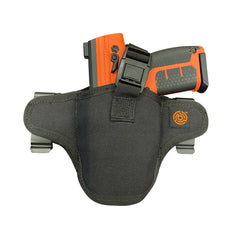
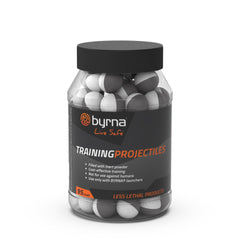
After everything that we've talked about here, at Byrna, we offer self-defense gear that actually works, no matter where you are. Our less-lethal products are legal in every state (all 50 of them), and you won't need any background checks to get one. The patented pull-pierce CO2 system lets you get it ready to use in just a couple of seconds. We make pistols, rifles, armored ballistipac backpacks and a few other products as well. Check us out at Byrna.com to see everything and learn why tens of thousands of reviewers count on our products for protection.