US
US CA
CA LE
LE


 Compare Rifles


One of the best ways to stay safe while traveling is to familiarize yourself with the self-defense items that you're actually allowed to carry from state to state. knowing these rules can save you from a whole lot of legal problems down the road. The goal is making sure that your personal protection stays on the right side of the law.
The patchwork of state laws out there can make it tough for travelers who want to carry self-defense items. Some states are fine with things like pepper spray and stun guns. But others have strict bans in place. Then, there are the little facts that you should keep in mind.
At the end of the day, your safety is what counts the most. But following the law matters a lot too. Travelers want to find how they can protect themselves while traveling and still stay legal.
Let's talk about how we can do exactly that!
Table of Contents
Federal Firearms Transport Rules
You're going to want to get started at looking into federal laws when you take firearms across state lines. The Firearms Owners Protection Act of 1986 is the main law that protects gun owners during travel. It lets you transport guns through states where you don't have a permit. But you might need to follow some rules to stay protected.

The basic rule is that your gun has to be unloaded for the entire time you're traveling. You'll also need to lock your firearm up in a hard case that nobody else can get into. As for the ammunition, that has to go in a completely separate locked container. Never store ammo in the same case as your gun.
When moving firearms between states, your vehicle setup plays a real part too. If your car has a trunk then you'll need to put the locked gun case and ammo container in there. For vehicles that don't have trunks then you'll have to manage things a little differently.
Remember that the law only protects you if you can legally own the gun in your starting location and your final destination. Your trip also needs to be fairly direct, without any unnecessary stops along the way. When you make random stops, it could put your legal protection in danger. So it's best to just drive straight through and only take needed breaks when you have to.
Some states have extra restrictions on types of guns and magazines, too. Things like high-capacity magazines and assault-style weapons might not be protected under federal law in states that ban them. That's why checking the laws for each state you'll be passing through makes sense. What's legal in one state could be completely forbidden in another.
The rules might feel a bit stressful at times. But they serve safety and legal reasons. When you keep your guns unloaded and locked away, it helps you stay away from accidents while you're traveling. When you have everything stored, it also helps you stay out of issues if you get pulled over. The best way to feel protected is to learn about the laws and make sure that you're following them correctly.
State-Specific Firearm Laws
The restrictions on traveling with self-defense items across state lines can get pretty confusing. What could be fine to carry in your home state could actually get you in some serious issue just a short drive away. The federal rules are a starting point. But they don't always tell the whole story.
State laws can vary dramatically with items like pepper spray, stun guns, and firearms. Some states are fine with you carrying these items around freely. But others might need you to get permits first - or even ban them completely. These differences come down to each state's history and how the locals usually feel about self-defense tools.

Travelers can get caught off guard by these changing rules as they move around. Someone might legally own a self-defense item back home in Texas. But if they bring that same item to California they could be looking at some serious charges. Even if they're following the federal rules well, that doesn't always mean they're in the clear with state laws.
When you travel, staying well-educated means checking the official state government websites. They'll usually spell out what's allowed and what isn't. The tough part is that the laws can change pretty frequently, too, so even if something was legal last year, it might not be anymore.
Some states also have reciprocity agreements where they'll honor CCW permits from other states. But not all of them do.
Interstate highways can make things even harder since you might pass through a few different states on a single trip. Every time you cross one of those borders, a whole new set of rules takes effect. It'll be extra important when carrying items like stun guns or batons that different states might classify in various ways.
Non-Lethal Self-Defense
When you're crossing state lines with self-defense items, you might want to remember less-lethal options. You can take personal alarms. You can carry them anywhere you want to in the United States without having to worry about breaking any laws. They're legal everywhere, so you're safe to go.
Pepper spray is another choice that's legal all across the country for anyone over 18. Just keep an eye out for any local restrictions that might pop up. Some states have restrictions on how big your pepper spray can be. In California, you can't carry anything over 2.5 ounces. In New York, you have to buy it in person from a dealer instead of ordering it online.
Tactical flashlights are also becoming a popular choice for travelers who want something that's legal. They work well as regular flashlights. But they can also come in handy for self-defense if you ever need it. There aren't any restrictions on carrying them from state to state.
People don't realize that even if an item is legal, there could be places where you can't bring it. Schools, government buildings, and airports are off-limits for these kinds of tools. So, if you're driving between states, make sure to keep them locked up in your trunk.
The rules for less-lethal defense items can vary quite a bit depending on where you're going. In Massachusetts, you can't have pepper spray shipped directly to your address. In Wisconsin they're pretty particular about the strength and size of pepper spray. You can only have as much as 2 ounces and there's requirements for the chemical concentrations.

Personal alarms are more common because you can carry them anywhere without any problems. They won't cause any harm. But they can still draw attention when you need help. Travelers like them because there's no danger of accidentally hurting yourself or someone else.
Self-defense tools are always changing, with new innovations hitting the market. Wearable alarms are starting to become more common. Some people like combination devices that can serve multiple purposes. The nice thing about these newer options is that they usually face fewer restrictions compared to traditional self-defense tools.
Stun Gun, Knife, And Baton Laws
You could be surprised to learn that what's completely legal for you to carry in your home state could land you in some serious problems just a short drive away.
Let's get started with stun guns first. In most states, you'll probably be fine carrying one around without any serious restrictions. But if you take that same stun gun with you on a trip to Hawaii or Rhode Island, then you'll probably have some criminal charges pretty fast. Connecticut only lets you have them at home. And Illinois will need you to have a permit before you can even own one.
Knife laws need your attention closely. A little pocket knife that wouldn't raise any eyebrows in most places could become illegal for you to carry in Massachusetts if the blade is over 1.5 inches long. Some states are fine with you carrying knives openly but not concealed. But others will need you to have a permit either way.

Collapsible batons show just how different these laws can be from place to place. In Texas, owning and carrying one is no big deal at all. But if you drive that same baton into California, you could wind up in handcuffs real fast. Some states might let you have one at home but not carry it around - and others ban them completely.
Sadly, travelers end up learning about these different laws the hard way. Each year, lots of people face arrests and legal problems basically because they had no idea that the rules had changed when they crossed over a state line. It can happen to anyone, even experienced security pros who are used to dealing with these things.
To make things even harder, the rules are always changing too. States are always updating their laws about what self-defense items are allowed. So what was legal for you to carry last year might not be the case anymore.
On top of the state laws, most cities and counties have their own restrictions as well - which can make planning a trip with self-defense gear pretty hard.
Some states will need you to have permits or licenses for items. But others have restrictions on where you're allowed to carry them. You could be able to have a stun gun in your car but not bring it into any buildings. Or you might need to keep it locked up while you're traveling through particular areas.
When you cross state lines, it also means that federal laws will come into play alongside state laws. It'll add yet another layer of difficulty to keep in mind. The rules like to get especially strict when you're close to schools, government buildings, or other sensitive locations. So it helps to stay well-educated and be extra careful in those situations.
For Worry-Free Travel
When hitting the road, it helps to brush up on the local laws first. What's fine in one state could cause an issue somewhere else. For example, knowing that pepper spray is not allowed in carry-on bags will save you money.
The TSA makes things smooth with these firearms. Just make sure that they're unloaded and locked up in a hard case before you fly. And remember to give the airline a heads up about any guns when you're checking your bags. When you break these rules, it can land you in some serious hot water.
When you travel across state lines, you'll need to read into pepper spray laws. You're usually fine to pack it in your checked bags as long as it's under 4 fluid ounces and has a safety lock. But here's the catch - some states have limits on how much you can carry, and some states ban it completely. Michigan, just to give you an example, only lets you carry 1.2 ounces. Florida lets you carry as much as 2 ounces.

Personal alarms and tactical gloves are probably your safest choice for issue-free traveling. Most of the time, you can just toss them in your carry-on bags without a second thought. And check here out - metal water bottles can actually double as a self-defense tool while being legal to carry anywhere. The simplest items are the best.
Stun guns have rules like pepper spray. You can usually pack them in your checked bags on most airlines. However, the laws about carrying them can vary from state to state. And watch out for cities with their own restrictions - they can catch travelers by surprise.
When you get caught with the wrong self-defense item, it can put a damper on your trip in no time flat. A friend of mine found that out when she got stopped at a random traffic checkpoint while driving through South Carolina. The local cops weren't too thrilled about the pepper spray that she had bought legally back in her home state.
Protect Yourself and Your Family
You want to stay safe while you're traveling. But it takes some thoughtful planning and awareness of changing laws for that. Sometimes these rules can be tough and a little confusing too. But even if it takes a bit of time, it's worth mentioning so you can stay protected. Keep in mind that even if you know the laws in your home state like the back of your hand, things can be completely different once you cross over into another state.
The legal community is always growing where you live. When you follow along, it's a big part of seeing the way court decisions and public discussions are shaping these changes. While some states are starting to be more open to self-defense options, others have pretty strict guidelines they expect you to follow. The main thing is to make sure you're prepared before you head out on any trips by double-checking the latest rules for each state you'll be passing through.

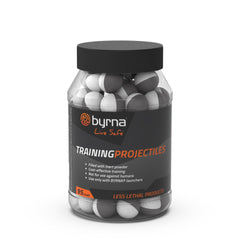
Finding an answer that works everywhere can make staying prepared much easier. Byrna could be just what you're looking for. Our less-lethal tools are allowed in every single state - and you don't even need to worry about background checks.
With our patented CO2 system, you'll be ready to go in a flash. We have pistols, rifles, armored backpacks, and a whole lot more. Just visit Byrna.com to get your gear and see why tens of thousands of satisfied customers count on us to keep them safe.