US
US CA
CA LE
LE


 Compare Rifles


Your home may not always feel like a protected place. With domestic violence steadily rising, you might need a few ways to protect yourself.
You can have some less-lethal options that'll help you to stay safe and that don't cause any permanent harm. These protection tools work quickly when every second counts!
These strategies may just save your life. At the very least, they'll give you more control over your own future. I've some plans to show you how to take steps toward your safety in these situations. You can choose from a few options, like pepper spray or self-defense classes. The goal is to feel safe, and you have the power to take control of your safety.
Let's get started!
Table of Contents
Victim-Focused Training Methods
When you first learn self-defense, it opens up a path for healing from domestic violence and helps you take control of your own life. When you join some self-defense classes, you'll soon see how these lessons build up your physical strength and inner toughness over time. The exercises help you feel free, and the mental techniques also help support a confidence that lasts long after the training ends.
You can learn to detect warning signs faster before dangerous situations get out of hand. In these classes, you can practice your voice and set firm and clear boundaries. These skills make it easier for you to stop confrontations from escalating into physical altercations, and they can also give you a stronger sense of security.
Your instructors will sometimes share inspiring stories of change in their students. You might hear about a martial arts teacher who saw a once-timid student start walking with her head held high. After just six months of training, students often find that learning self-defense gives them the courage to leave unhealthy relationships. They finally start to believe in their ability to protect themselves.

Training has benefits that include reconnecting with your body and building up more trust in yourself. You can also learn how to channel your fear into focused energy. The supportive and guided environment of your class lets you practice these skills in a safe and controlled setting. Taking care of yourself is as big a part of self-defense as learning how to defend yourself.
Enough sleep helps you stay alert and remember what you've learned while eating nutritious foods keeps you energized and ready to train. When you manage stress through activities like regular exercise or meditation, you keep your mind sharp and prepared for any challenge.
You'll find that self-defense programs include group lessons and some individual instruction. That means you can move at your own pace and get extra help should you need it. Your experienced instructors, who understand how trauma can affect people, create a welcoming space where you can feel protected and comfortable. They help build you up instead of making you revisit tough past experiences.
Programs sometimes introduce padded attackers into practice drills. It'll give you a chance to try out techniques in a way that minimizes the danger of injury. You'll find out which moves work for your body and abilities. The controlled setting helps form the muscle memory that could matter in an emergency. Over time, the skills that you learn naturally become reflexes.
You develop quick replies and automatic reactions to threats that allow you to manage danger with calm and clarity. This improved awareness also empowers you to stay away from dangerous situations and feel more confident in your personal safety.
How To Cut Back on Risk Early?
You don't always think about it. But safety planning often starts long before a crisis hits.
You can build a strong defense when you surround yourself with a good support network. Let your trusted friends or neighbors know what's happening and share a code word that tells them you need help. Make sure that your kids learn this word, too, so they can act faster whenever needed.
You should store your papers that matter in a place where you can grab them fast. Pack a small bag with a change of clothes, some money, and any medicines you need. In that bag, you can add copies of your ID, birth certificate, and your social security card. Hide it somewhere protected, like maybe at a friend's house or in your car trunk.

Some victims later say that they wished they had listened to their inner feelings sooner. They saw the warning signs but pushed the thoughts aside because fear or shame made them doubt themselves. Remember that your safety is what matters to you the most.
You can also mix up your schedule to stay off someone's radar. Try different routes to work or school or shop at new locations during quieter times of the day. These small adjustments help you feel better protected because you take more control of your habits.
You should have a backup phone in hand since it might save you in an emergency. Pick up a prepaid phone, charge it up, and hide it somewhere you can reach quickly, like maybe in your bathroom cabinet. Make sure it already has numbers saved in it, too.
Look around each of the rooms in your house and think about your escape options. Learn about which windows actually open and which doors lock. You should practice your exit paths - even in the dark - and time yourself so you feel more prepared and confident in your plan. Upgrade your home security gradually, one step at a time.
See about changing your locks if anyone else ever had a spare copy. Then, add motion sensor lights on the outside and install cameras by your doors. These basic adjustments help you feel way more protected and aware of what's happening around you.
Legal Barriers For Abusers
You might not know that restraining orders and protective orders are actually two very different things, and this difference can matter for your safety! Protective orders are designed especially for situations of family violence or stalking, and they do work. However, restraining orders are usually used in less intense cases, and they often come into play during civil disputes like divorces.
You might feel a bit scared when looking for help from the legal system. But learning how the system works can give you some hope that it can change your life.
Just to give you an example, let's look at Jane's experience. After her ex became violent, she took charge and got a protective order against him. When he showed up at her workplace, even though that order was in place, she acted fast and called 911. The police arrived quickly, arrested him, and helped Jane feel safe enough to rebuild her life.

You might find that even with these orders in place, the process doesn't always work. Some people have a hard time getting the protection they need, even when the paperwork is done.
To give you another example, take Liz's case. She had a restraining order in place. But her ex continued to harass her through social media and phone calls. This forced her to go back to court multiple times, and the whole process felt slow and frustrating.
You could be worried that filing for protection might make your abuser even more angry or more dangerous. If someone violates a protective order, the police are ready to respond immediately and can arrest the offender right there.
Courts are now working to make it easier for survivors like you to file for protection. You'll find that locations now give you free legal help - that means you can get assistance with the paperwork, court appearances, and safety planning. Some areas also give you funds to help address financial challenges caused by abuse. So you have help as you manage everything.
You'll also see that technology is changing the way we manage domestic violence. New laws are stopping abusers from using car tracking systems to find their victims. Courts can extend protection orders for longer periods if needed. Police are now receiving better training in handling these situations. These changes are here to give you more reliable protection as you work to leave a dangerous relationship behind.
Community And Education Initiatives
When you help to make sure that you can become a part of a safer community, it starts with how you can work together. You can push domestic violence away! You'll see that neighborhoods make progress when their school programs help young people to learn about healthy relationships. These programs help you to find the warning signs of abuse. They also build your confidence to speak up when something seems off. This brings everyone closer together during hard situations.
Some public awareness campaigns can give you some information in the fight against domestic violence. Local groups sometimes meet in town halls, and you can listen to survivors share their personal stories to get a deeper view of abuse. These events work best when they connect you directly to nearby support services. Even community theater groups pitch in by performing educational plays that touch on these very sensitive topics.
When you try the National Domestic Violence Hotline, it'll show you a way to get help. This service can give you some round-the-clock support whenever you need reliable information or assistance. Their trained staff works hard every day to make sure that you'll find safety and connect with resources in your area. It can be a big part of your process if you have nowhere else to turn for help.

Communities also get creative in sharing their message about domestic violence. You might see the Clothesline Project, where survivors display their stories on t-shirts in public areas. This helps to make their voices heard by others. College campuses often host Take Back the Night events where you and other students march together against violence. These grassroots initiatives break the silence and also help everyone see the results of abuse.
When you work closely with local police, it changes the way you manage domestic violence situations. Now, police departments team up with advocacy groups so you can receive the care you deserve. Officers also undergo training to manage domestic violence calls. They partner with local organizations so you can access services. These connections build trust and help you feel safer in your community.
Schools also play a big part in prevention too! Teachers and counselors get training so they're better prepared to find the signs of abuse that might affect you or your friends. Schools also give you workshops that show you what healthy relationships and good boundaries can look like. These lessons give you a much clearer picture of the differences between supportive and harmful behaviors in relationships.
Empower Bystanders To Intervene
When you witness the signs of domestic violence, then you might find yourself freezing up. You might feel stuck because you aren't sure how to help without putting yourself in harm's way!
Bystander intervention programs are now changing the way your community reacts to domestic violence. They can give you an idea about ways to step in without taking a chance with your own safety. You learn techniques like creating a distraction or calling on someone else to help. This means you can get support while keeping yourself safe.
A popular technique that you could learn is the distraction strategy. Just to give you an example, you could say that you need directions or ask for help finding your lost phone. This gives the possible victim a chance to leave a tough situation. It lets you help gently in a way that avoids a direct confrontation, which might escalate things. Fear of retaliation can sometimes stop you from getting involved, so these programs always put your safety first.
They welcome you to take a careful look at the situation before you act. You might find that calling the authorities is the safest option instead of intervening directly. It'll make sure everyone involved is as protected as possible.

Most of us like to think that someone else will step in when needed - an idea known as the bystander effect. But these programs challenge you to take personal responsibility. They show you how your actions can help you move away from violence, and they also give you support when you choose to act.
Role-playing exercises give you a chance to practice these techniques in a protected setting. Through very basic scenarios, you learn to find the early warning signs of abuse. This helps build your confidence. The training also prepares you to respond calmly if you ever witness a dangerous situation.
When you build a supportive community, it has real results in keeping violence at a distance. When more people learn how to intervene safely, possible abusers find fewer opportunities to act. This shared awareness and readiness helps to break the cycle of violence and makes your neighborhood safer.
These training programs address cultural differences because they know that community approaches can sometimes conflict. They work with you to help develop intervention strategies that respect these differences and give you tools that you can use. Modern intervention programs also give you resources instead of forcing you into direct confrontation. They show you how to work together with others in your community and support each other whenever it's needed.
Protect Yourself and Your Family
You might have a big and personal choice to make when picking between lethal and less-lethal protection because it carries meaning for you. You can probably remember the first time you held something as serious as a firearm - when you felt the weight in your hands that matched a heavy feeling in your heart!
It reminded you of the devastating consequences it could carry. With these items helping your family and yourself stay safe, the goal is to have options that let you feel confident. You can do this without crossing any lines you might regret.
You can build up real readiness when you take the time to have training and practice. When you learn self-defense moves or start to get to know personal protection devices, you create muscle memory and build a focused state of mind. This helps you respond confidently when situations get tough.
Your mindset and your commitment are just as big a part of the process as the tools you choose. That can give you a difference that matters most when it's needed.

You also get the chance to choose a responsible and safer modern alternative that focuses mainly on safety without firearms. If you're looking for a safer choice, meet Byrna!
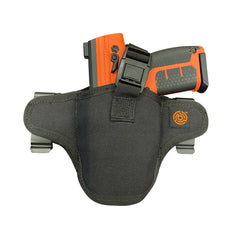
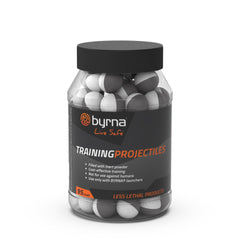
You can use our less-lethal tools, which are legal in all 50 states and don't need background checks. Our patented pull-pierce CO2 system works fast, so you can protect yourself faster when needed. We have pistols, rifles, and armored ballistipac backpacks and give you a number of options that could be a good fit for you.
Visit Byrna.com to review all your options and join the tens of thousands of people who trust us for safety each and every day.