US
US CA
CA LE
LE


 Compare Rifles


Dog bites happen a lot more frequently - over 4.5 million times every year in the United States alone. And these aren't random incidents in far-off places. We're talking about attacks at the local park, on an everyday morning jog, or right outside of someone's front door. Insurance providers paid out $1.57 billion in 2024 alone and covered more than 22,000 claims for dog bite injuries. Parents worry about their kids at the playground, runners have to plan their routes around some houses, and postal workers face aggressive dogs almost every day as they deliver the mail!
Nobody teaches you how to read what a dog is trying to communicate through body language, and it's not something covered in school. So most people just believe that every dog they come across wants to be their friend or means well. Research actually shows that 82% of bad dog attacks could have been prevented if you knew what warning signs to watch for and how to respond when situations start to get tense with an unfamiliar dog.
Families with young children are at the highest risk for dog attacks. More than half of all fatal incidents involve kids under 17, and toddlers between 1 and 4 years old are by far the most vulnerable. Little kids move erratically and fast around animals, and they just don't have the experience to tell when a dog is about to snap. Usually, they'll walk right up to a dog's face without any idea what the animal's body language is actually telling them.
Let's go over some steps to stay safe around unfamiliar dogs!
Table of Contents
How to Spot the Warning Signs
Dogs will telegraph their intentions well before they actually lunge at you or try to bite. Body language is everything with aggressive dogs, and most of them follow pretty predictable patterns when they're about to attack. Learning to read these warning signs gives you a few seconds to respond and get yourself out of harm's way. That short window can make the difference in whether you'll have to deploy a defensive tool or just create distance between you and the animal.
Body language is always the first indicator to watch for when a dog is about to become aggressive. A dog that's ready to attack will stiffen up and tense every muscle in their body. The hair along their spine (also called their hackles) will stand straight up and make them look bigger and scarier. Their tail will go rigid instead of that natural wag that friendly dogs have. These physical changes can happen almost right away. But with a little practice, you can learn to spot these warnings before they escalate.
Watch the face, because it can tell you even more. Direct eye contact is a big warning sign. When a dog locks eyes with you and doesn't look away, they're not backing down. A low growl will usually accompany this, or you'll see their lips curl back to show their teeth. Dogs use these same signs to communicate with one another and with us. Seeing all of them at the same time means the dog is telling you to back off before it escalates to a bite.

The signs are only half of the battle - you also need to look at what's going on around the dog at that time. Dogs are a lot more likely to snap when they feel cornered or like they don't have a way out. A dog with their back against a wall has no escape, and an attack can seem like the only option to create some space. Dogs also get defensive when they protect something that they care about. This could be a food bowl, their favorite toy or a person that they're close to.
Territory is another big factor in how a dog is going to behave when they see you. A dog that's in their own yard or one that protects their home will act a lot more defensively and aggressively compared to a dog that you'd meet at a park or one that's on a walk down the street. When they're on their own property, they turn into the protector of that entire space, and in their mind, you're an intruder who has no business being there.
On the positive side, most dogs will actually give you plenty of warning signs before they bite or attack. They want to scare you off rather than fight you. Knowing what to look for lets you change your behavior and defuse the whole situation before it gets dangerous.
How to Stay Calm with Dogs
Running away from an aggressive dog will make the situation much worse. Dogs have a strong chase instinct built into them. Bolting away kicks that instinct in automatically. What could have been just a tense standoff between you and the dog can escalate into a full-on chase situation in just seconds.
The safest approach is to stay still and make yourself as boring as possible. Your hands need to stay down by your sides - don't wave them around or make any sudden movements with them. Eye contact is another big factor - try not to stare right into the dog's eyes. Look off to the side or down at the ground.
Try to use a calm, low voice if you're able to manage it. The point here isn't to give the dog commands or to get its attention at all - you just want to come across as being calm, and like you're not going to be a threat. Most dogs will get bored pretty fast and wander off on their own once they know that you're not going to respond to them or make any aggressive moves in their direction.

The research on this actually looks pretty strong. A dog's aggression will usually drop off if you stay neutral and hold still. Dogs are looking for either a threat they need to deal with or prey they can chase after. Stand still, stay quiet and show zero interest in them, and suddenly you don't fit into either category.
Some dogs are still going to knock you down anyway, even when you follow the safety protocols correctly. When this happens, your first priority is to get into a fetal position as fast as possible. Bring your knees toward your chest, and then use your hands to protect your neck and ears at the same time. Your neck and ears are the parts of your body that can't take much trauma and need the most protection during an attack. Once you're in this position, stay curled up tight and try to remain as still and quiet as you can. Hold this position until the dog finally walks away, or until help arrives and others can safely step in.
Use Objects as Your Shield
Body position and your movement are tools. But those aren't the only options you have when you have an aggressive dog. Common objects around you can work as barriers when you have to get something sturdy between you and a dog that's ready to bite.
A backpack does the job as a makeshift shield. Just slide it off one shoulder and hold it out in front of you to block any bites. Jackets and coats can do the same job, and you can wrap them around your forearm pretty fast if you need instant protection.
An umbrella is another great choice - you can open it up and point it toward the dog to create some distance and cover yourself at the same time. Even a bicycle can be a decent barrier as long as it stays between you and the animal.

Environmental barriers can help you out if you need some extra protection. Parked cars are one of the best options because they're big and sturdy, and they give you something to put between you and the dog. Fences work for this, too, and so do tree trunks - anything large enough that you can put in the dog's path as it comes at you. These kinds of barriers give you a lot more time to think and decide on your next move, and they make it much harder for the dog to reach the parts of your body that are most vulnerable.
Citronella spray puts out a very strong smell that distracts the dog and breaks its focus. But it won't hurt the animal at all. Air horns make an extremely loud sound that will usually make aggressive dogs stop and back away from you. These two options have been tested and proven to work in actual situations over the years. Just remember to look up your local laws before you buy or carry any deterrent device - legality can be pretty different between the provinces.
Grab whatever's around if you need it - that's usually your best bet. Barriers help because they pull the dog's attention away from you and onto an object instead. It's also easier to stay at a distance when something physical is between you and the dog, and that's helpful if you want to calm the situation down or create a chance to get away. These items work together with the body language techniques from earlier and give you more ways to work through a tense situation.
How to Keep Your Children Safe Around Dogs
Kids and dogs can be a tough combination to manage safely, and most of this difficulty comes from how fast kids usually move and how unpredictable they can be. A dog might read a child's sudden movement or loud noise as a sign of danger when the kid is playing around. Size is another big factor here - kids are smaller than adults, and it means when they approach a dog, their face ends up at roughly the same height as the dog's face. For many dogs, this direct eye-to-eye contact feels uncomfortable and can even register as a threat.
The biggest law to teach kids is actually pretty simple, and it's something every parent needs to drill into them early on. Before a child pets any dog (even one that looks very friendly and approachable), they should ask an adult first. This gives the dog's owner a chance to let them know if their dog is comfortable around children and if it's actually in the mood for attention. This same law applies to family dogs too, especially when the dog is already in the middle of doing something like eating, sleeping or playing with a toy.
Any dog that's eating or sleeping needs to be left alone - every time. A dog that's normally very friendly can still have a bad reaction if you bother them during a meal or nap, and they may snap without actually wanting to cause any harm. This same law applies when dogs are in their crate or in their favorite resting place. Dogs see these areas as their safe space (like your bedroom), and they don't want to be disturbed while they're there.

Kids also need to learn how to read a dog's body language, especially when that dog is telling them to back off. A dog that backs away or turns their head to the side is asking for space (and kids need to respect that). If a dog growls or shows their teeth, it means the dog has already given a few warnings, and it's the final warning they should take seriously. When kids know these cues, they'll know how to stay safe around just about any dog they come across.
If a strange dog starts to walk toward you, the "be a tree" technique can help keep everyone safe. You want to stand still with your arms down at your sides. Don't make eye contact with the dog and just focus your gaze down at the ground instead. Keep yourself quiet and as calm as possible, and usually the dog will get bored and wander off to investigate something else. It works because it prevents the situation from turning worse - when a kid runs away or starts to scream, dogs respond to that movement and noise by chasing after them.
Most dog bites to children don't come from aggressive strays at the park or some neighbor's mean dog. These incidents happen at home or at a friend's house, with dogs the kids already know and play with every day. We're talking about normal interactions that seem harmless until something goes wrong. The dog could be a loved family pet that's never had a problem before. Teaching kids these laws matters just as much with familiar dogs as it does with strangers.
Protect Yourself and Your Family
Dogs are usually pretty predictable as long as you watch for the warning signs and know what to do when situations start to get difficult. You'll have to spot those early signs before a situation gets out of hand and know how best to respond when tensions start to rise. Teach these same skills to your kids, and your whole family gets an advantage. It lets you manage what used to feel unpredictable with real confidence.
You want to stay prepared without living in constant fear, and this balance matters when you're out with your family at the neighborhood park or just walking down the street. Every time a dog attack makes the news, it's simple to lose sight of the thousands and thousands of peaceful interactions that happen on that same day. Caution doesn't mean that you'll have to treat every dog like it's dangerous - that's not the point at all. What helps is raising your awareness enough to tell the difference between a friendly dog and one that could have been scared or aggressive. Pair that awareness with ways to respond and with a sense of what your legal rights actually are, and you'll have a much stronger sense of how to protect yourself and those you care about. Preparation like this gives families the confidence to go about their normal routines without constant worry.

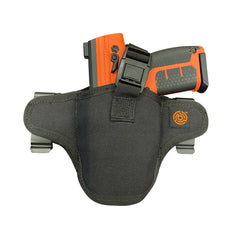
Personal safety means you have what you need when you need it most. At Byrna.com, we specialize in less-lethal self-defense products that are legal in all 50 states, and you won't need any background check to buy them either. Our products use a patented pull-pierce CO2 system and allow you to be ready to defend yourself in a matter of seconds. We carry pistols, rifles, armored ballistipac backpacks and a few other options as well. Check us out at Byrna.com to learn what we carry and to see why tens of thousands of customers trust us to protect them every day.