US
US CA
CA LE
LE


 Compare Rifles


Gun rights in rental properties create confusion for tenants since the Second Amendment protections and private property rights don't always align. Some states protect your right to have firearms in rental units. Others give landlords the freedom to set whatever restrictions they want. Public housing operates differently from private rentals. Let's talk about the regulations and what landlords enforce.
Whether you can have firearms in a rental depends on three main factors - state laws, the type of housing you rent and the exact wording in your lease. All three of these factors matter because breaking a firearm restriction in your lease could get you evicted. Knowing what the law says puts you in a better position to make smart decisions about your housing and your rights.
Let's talk about what landlords can and can't do about firearms.
Table of Contents
Gun Rights and Your Rental Home
The Second Amendment protects your right to own guns from government interference, and that's a useful right to have. Renters might not know about a detail concerning landlords, though. Your landlord is not a government entity - they're a private property owner who gets to set their own conditions for the building they own.
This distinction matters because the Constitution sets limits on what the government can do to you. It doesn't have any control over what private citizens or businesses put in their contracts with you. A restaurant owner can ask you to leave if you're being too loud at dinner, and even though you have free speech rights, the restaurant isn't violating them. Restaurants are private property - not government buildings.
Rental agreements work in a fairly similar way with firearms. A landlord can write up a lease that says no guns are allowed on the property, and they can make that a part of the conditions you'll need to accept when renting from them. When you don't like what they're asking, you can always walk away and find somewhere else to rent instead. Putting your name on that lease, though, means you've agreed to follow those terms.

A lot of renters believe that their constitutional rights follow them everywhere and it's understandable why tenants would have that impression. You're paying rent to live there, and it's your home in every sense. But getting into the legal fine print shows you're still on somebody else's property under an agreement that the two of you signed.
Landlords don't have unlimited power to ban guns in every situation, though. Some states have passed laws that protect tenants who want to have firearms in their apartments, and when these state laws are in place, they override what a landlord tries to put in the lease. Without those state protections in place, a private landlord usually has the freedom to include a no-guns clause if they want to.
Constitutional rights are there to protect you from government overreach and interference. Private property owners have a different set of rights about what they can and can't ask for on their own land, which includes rental properties.
States That Protect Tenant Gun Rights
Most states will let landlords write their own policies on guns in rental properties, and they have plenty of freedom to ban them if they want to. A handful of states have passed laws to protect tenant gun rights, though. These states require landlords to allow tenants to have their legally owned firearms in their rental homes, even if the landlord doesn't want them to.
Minnesota was actually one of the first states to pass this type of protection for tenant gun rights. The law in Minnesota is pretty simple - landlords can't restrict tenants from keeping legal firearms in their rental homes. It doesn't matter if you're renting an apartment or a house - the protection covers either one. Minnesota lawmakers wanted to make sure that renting a home didn't automatically mean you had to give up your constitutional rights.
Tennessee followed with a similar tenant protection law. Landlords in Tennessee can't put anything in the lease that bans lawful gun ownership or storage. The state legislature passed this law back in 2016 after a lot of tenants spoke up about how their rights were being limited just because they rented instead of owning their homes.

Virginia deals with tenant gun rights a bit differently. Landlords in Virginia can still set some policies on guns inside the apartment units. But they can't ban tenants from keeping firearms locked in their vehicles. What this works out to in practice is that even if your apartment building has a no-guns policy for the building, you can still legally store your firearm in your car out in the parking lot.
Of course, these state protections only apply to legal gun ownership in the first place. Tenants still have to follow federal and state gun laws just like everyone else. You need to have the right permits where your state needs them, and you have to store your firearms safely, the way your local laws say.
The courts in these states have usually backed up these tenant protections when cases have come up. Judges have repeatedly ruled that the state law overrides any lease terms that try to ban legal gun ownership. This level of protection is actually pretty rare - most Americans who rent their homes don't have these kinds of legal shields in place.
How Landlords Can Ban Your Guns
This gets past most renters. But a landlord can absolutely include firearm restrictions right in the lease agreement. Signing a lease with a gun restriction clause written in it means you've entered into a legal agreement to follow those terms for as long as you live there.
Landlords usually write these restrictions in a few different ways, depending on their comfort level and what they're worried about. Some of them will ban firearms from the property (so no guns are allowed at all). Others will let you own guns, but they'll ask you to store them in a specific way. A landlord might also allow you to have handguns but not rifles or shotguns on the property. These clauses can vary quite a bit from one lease to the next, so you need to read through your entire rental agreement carefully before you sign anything.
Landlords add these restrictions for a few reasons. Insurance businesses are a part of the answer - they'll charge property owners much higher premiums when they allow firearms on the premises. Landlords also worry about liability if something happens with a gun on their property. On top of that, some tenants will complain about neighbors who own guns, and landlords would rather sidestep any conflict and have everyone in the building satisfied.

Breaking the firearm clause in your lease gives your landlord the legal right to start eviction proceedings against you. This works just the same way as violating any other part of your rental agreement - maybe you kept multiple pets, or you made too much noise late at night and got complaints. A violation of the gun clause gives your landlord the same legal grounds to evict you from the property as any other lease violation would.
This may feel wrong to a lot of gun owners. But it's just standard contract law in action. When two adults agree to terms and sign a contract together, the two of them have to follow those terms. Your landlord isn't discriminating against gun owners as a protected class under the law. They're just setting terms for their private property, and you can choose to accept them or reject them by renting somewhere else.
Your Gun Rights in Public Housing
Public housing and government-run apartments have a different set of policies when it comes to firearms compared to what private landlords can enforce. The reason this distinction matters has everything to do with your constitutional rights and becomes relevant whenever the government runs the property.
Federal courts have ruled that housing authorities can't ban legal gun ownership - and that's final. Housing authorities are government agencies, and just like any other part of the government, they have to follow the Second Amendment. Back in 2008, the San Francisco Housing Authority tried to ban guns across all of its public housing units. The courts struck it down and ruled that the government can't take away your constitutional rights just because you're a public housing resident.

The same protection applies to all forms of government housing across the board. Section 8 properties have to respect these same rights. Military housing operates under similar principles. Any apartment or home that receives government funding or is directly run by a government agency has to honor your Second Amendment rights. The government is not allowed to force you into a position where you have to choose between a roof over your head and owning a legal firearm.
Housing authorities can still set some policies around how you store your firearms at home. They might ask you to store your guns locked up in a safe, and they might make trigger locks mandatory for all residents. The main difference with these policies is that they're about safe storage - not about your right to own guns in the first place. Courts have usually been okay with these storage requirements because they don't actually stop you from owning a firearm.
Your friend who lives in the public housing building down the street actually has different rights than you do if you rent from a private landlord. Private landlords have more freedom to create and enforce their own policies about firearms. Once the government provides or subsidizes the housing, all these constitutional protections become relevant and enforceable. Who actually owns or funds the building is what matters in terms of what policies can be applied to the residents there.
How to Rent with Your Guns
When you're on the hunt for a place to rent and you also own firearms, some prep work is definitely involved to find a place somewhere that respects your rights. Plenty of landlords out there will be happy to have a conversation about changing their standard lease language, as long as you bring it up at the right time and bring it up the right way.
The lease itself deserves your full attention before signing. Go through the whole document line by line and watch for any sections that talk about weapons, firearms, or anything similar. If that language exists in there that doesn't work for you, don't wait - that's your window to bring it up.
At times, there's a middle ground that leaves everyone feeling comfortable about the arrangement. A fair number of landlords will be willing to drop their gun restrictions if you're willing to agree to safe storage, like a safe or a lock box. Others might want you to carry a renters insurance policy that specifically covers any incidents related to firearms. These kinds of asks are usually pretty fair, and they show your landlord that you're committed to being responsible.

Your search process can be a whole lot easier if you look at particular kinds of properties. Single-family homes and condos usually have fewer built-in restrictions compared to those massive apartment complexes. Smaller landlords (the ones who maybe own just two or three properties instead of hundreds) are usually a lot more flexible than the big property management firms. When it's just one person making the call, they don't have to run everything up the chain or worry about what corporate headquarters thinks.
After you reach out about a rental, go ahead and ask about their stance on firearms. This saves everyone from wasting their time, and it gets everything out in the open from the start. Ask them directly if they allow legal gun ownership on the property, and find out if they need any particular storage setup. Listen carefully for landlords who give you wishy-washy answers or who just seem uncomfortable when the subject comes up.
The location itself matters quite a bit in this. Properties out in rural areas or anywhere in states with a strong tradition of protecting gun rights won't give you nearly as much pushback. Urban apartments in states where gun laws are already pretty restrictive will likely have more restrictions.
Protect Yourself and Your Family
Gun ownership rights and rental agreements - here's where our legal system gets pretty messy. Constitutional rights sit on one side and property rights sit on the other, and the two don't always play nice together. I've spent years working in this space, and there's just no universal answer that works for every situation. What's perfectly acceptable in Texas won't necessarily fly in California. What works just fine in a privately-owned apartment building could be off-limits in government-subsidized housing. Add to that the fact that court decisions and state legislation continue to change this situation every year, and you'll see why one definitive answer is nearly impossible to pin down.
Renters who want to have firearms at home need to be proactive about this from day one. A landlord who's fine with guns at the time you sign the lease is infinitely easier to work with than one who finds out about your firearms after you've moved in. Nobody enjoys reading through lease agreements - they're dense documents full of legal language, about as fun as watching paint dry. But those tedious paragraphs control what you can and can't do in your own living space, so it pays to actually read them. State laws matter here, too, and it's time well spent to learn what protections your state gives to gun-owning renters. Some states lean heavily toward tenant rights in this area, and others give landlords much more control over what goes on in their properties.
Legal precedent and state legislation will continue to change as courts wrestle with how to balance property rights, public safety issues and Second Amendment protections. What feels settled and resolved right now could look different in just 5 years. New statutes and court rulings emerge regularly. Anyone who's facing an immediate situation with a landlord would be smart to consult an attorney who specializes in landlord-tenant law and firearms regulations in their state. Yes, it costs money up front. But it's usually money well spent compared to the alternative.

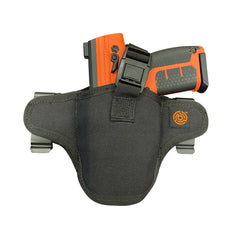
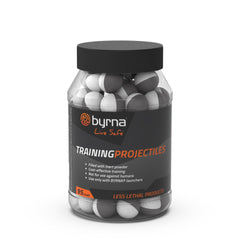
Home defense in a rental property can be tough when firearms aren't the right fit, and less-lethal alternatives can solve many of these problems. At Byrna, we make self-defense tools that get around most of these legal complications. Our products are legal in all 50 states with no background checks or waiting periods. The patented pull-pierce CO2 system lets you be ready to defend yourself in seconds. We make everything from pistols and rifles to armored ballistic backpacks - gear that's built to protect you at home or out and about. Tens of thousands of customers already use our products to stay safe.
Check us out at Byrna.com to check out the full lineup and see how you can protect yourself without the red tape.